
Smart Thermostats for Fall: Efficiency Before the Chill
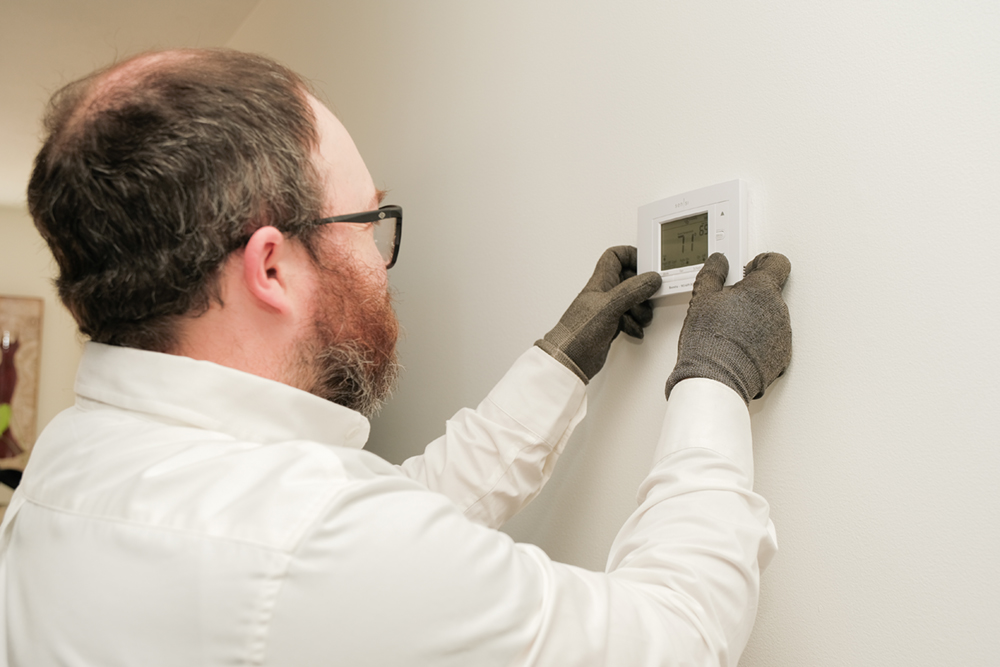
Why Fall Efficiency Starts With Smart Settings
Fall is shoulder season in Saskatoon, chilly nights, warm afternoons, and unpredictable swings in between. That variability makes it the perfect time to dial in your smart thermostat settings before winter routines settle in. Even a few tweaks to your schedule or pre-heat windows can boost comfort and reduce runtime.
But thermostats don’t do all the work on their own. Fall efficiency also depends on how your system breathes: return air must flow freely, filters must be clean, and your furnace must be tuned and ready for the season.
Start With the Basics: Clean Filter, Open Vents, Clear Returns
Before adjusting any settings, start with airflow. Even the smartest thermostat won’t help if your system is starved for return air or if the filter is clogged.
- Replace your furnace filter, especially if it hasn’t been changed since summer cooling.
- Check that all vents and return grilles are unobstructed; furniture, rugs, or other clutter can restrict airflow.
- Vacuum floor grilles and ensure dampers are open.
Restricted airflow can increase static pressure, trigger short cycling, and raise energy use, all problems that smart thermostats can’t solve on their own.
Geofencing and Occupancy Learning: Save Automatically
If your thermostat supports geofencing or occupancy detection, fall is a good time to activate and test those features. Natural Resources Canada says properly programmed thermostats with sensible setbacks can lower home heating costs in Canadian climates; smart models just make those setbacks easier to automate. When you leave home, geofencing uses your phone’s location to lower the setpoint automatically; when you return, it starts reheating before you walk in.
Tips:
- Start with modest setbacks of 1–2 °C during away periods.
- Set return comfort windows 15–30 minutes before you typically arrive home.
- Ensure your app has the necessary location permissions to avoid false triggers.
The goal isn’t deep savings during the day, it’s smooth transitions without long furnace recoveries during cold snaps.
Enable Pre-Heating (Adaptive Recovery)
Smart thermostats with Adaptive Recovery or Pre-Heat can reduce overshoot and improve comfort in Prairie climates. This feature starts the furnace earlier than scheduled, so the home is already warm when your morning or evening routine begins.
Best Practice for Saskatoon Homes:
- Enable pre-heating for morning and evening comfort blocks.
- During fall, set wake-up heat to reach ~21 °C by 6:30–7:00 a.m.
- For evenings, preheat to ~21 °C by 5:00–5:30 p.m., depending on your routine.
Prairie homes often benefit from gentler setbacks and earlier recovery windows than Ontario homes due to colder overnight temperatures and longer recovery times.
Use “Circulate” Mode to Balance Temperature Gaps
Saskatoon homes with open staircases, finished basements, or closed-off rooms can develop noticeable temperature gaps between floors. Running the fan periodically without heat, using the Circulate setting, can help even out those differences.
Try this:
- Set the fan to run 15–30 minutes per hour during evening hours (e.g., 6–10 p.m.).
- Observe how your upstairs and downstairs temperatures change, adjust up/down as needed. In colder, drier Prairie air, long fan-only runs can increase dryness, so keep windows open only modestly.
- Avoid running the fan 24/7; it can waste energy and over-dry the home during heating season.
Schedule a Furnace Tune-Up (And Ask About Thermostat Calibration)
A fall tune-up is more than just a safety check; it’s a chance to:
- Calibrate your smart thermostat (sensor accuracy, staging, etc.).
- Check for proper temperature rise and airflow.
- Update filter or humidifier reminders for the heating season.
- Identify airflow or zoning issues before heavy use begins.
Some thermostats can drift from their intended setpoint or misread room temperature if sensors are offset or too close to drafts/sunlight. furnaceguys technicians can test and adjust settings during your service.
Pair With Other Fall Prep (Humidity, Maintenance Plans, More)
Smart thermostats don’t operate in isolation. For best results, pair your settings with:
- Humidifiers: Prairie air gets dry in late fall. Maintaining 30–35% RH can make lower temperatures feel more comfortable.
- Maintenance Plans: Help avoid costly repairs and include annual tune-ups that keep your system optimized.
- Zoning and Duct Upgrades: If certain rooms are consistently too hot or too cold, ask about options to improve airflow.
When to Call a Pro (DIY vs. Pro Tuning)
| Safe to DIY | Call furnaceguys |
| Schedule setup & Wi-Fi connection | Thermostat calibration |
| Fan “Circulate” timing adjustments | Airflow balancing |
| Mobile app/geofence permissions | Furnace staging/temperature rise |
| Filter replacement & vent checks | Humidifier integration or wiring |
Conclusion
Your smart thermostat can save energy and improve comfort, but only when it’s part of a well-tuned, properly balanced heating system. Before Saskatoon’s winter sets in, take a few minutes to adjust your thermostat settings, change your filter, and book your furnace tune-up. A little fall prep now can mean fewer headaches and lower bills when the cold hits.